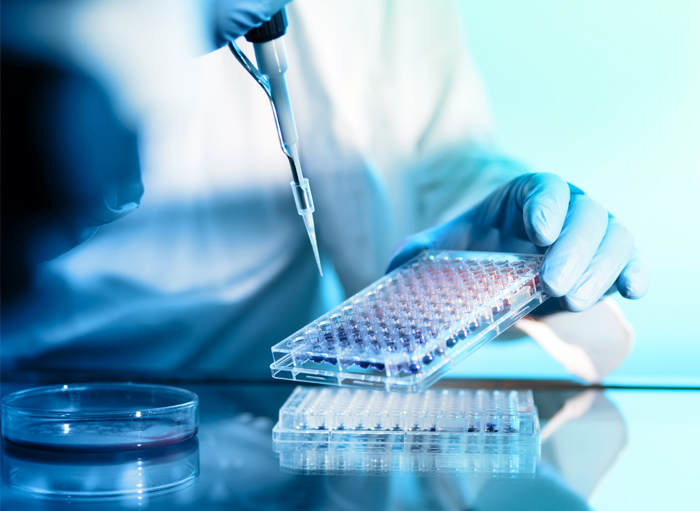

Advancements in molecular testing have transformed infection detection, enabling clinicians to identify pathogens faster than ever before. However, microbiology culture and sensitivity testing continue to play an irreplaceable role in clinical decision-making.
While molecular assays identify pathogen DNA or RNA, culture-based methods confirm organism viability, determine antimicrobial susceptibility, and provide quantitative data that cannot be replicated by PCR alone. In other words, microbiology remains the clinical gold standard for confirming infection and selecting appropriate treatment.
Why Culture Testing Still Matters
- Confirming Pathogen Viability: Molecular testing can detect genetic material from both live and dead organisms, but only culture verifies that a pathogen is viable and actively causing infection. This distinction is critical for guiding treatment and avoiding unnecessary antibiotic use.
- Determining Antimicrobial Susceptibility: Through Antimicrobial Susceptibility Testing (AST), microbiology labs identify which antibiotics are effective against a specific pathogen. This helps providers move beyond empirical therapy toward targeted, evidence-based prescribing—an essential step in combating antibiotic resistance.
- Detecting Complex and Mixed Infections: Culture methods allow for the identification of mixed infections and secondary pathogens that may not be captured through molecular panels alone. This comprehensive view ensures that treatment plans address the full microbial picture.
- Supporting Infection Control and Epidemiology: Culture isolates can be stored and analyzed for epidemiological tracking, outbreak detection, and ongoing surveillance—tools that are indispensable for healthcare systems committed to patient safety.
Comprehensive Microbiology Testing at Proteus
At Proteus Genomics Labs, our microbiology services complement molecular diagnostics, ensuring every infection is understood from both genetic and phenotypic perspectives.
Our microbiology offerings include:
Bacterial Culture & Identification – Isolation and characterization of aerobic and anaerobic bacteria.
Fungal Culture & Identification – Detection of pathogenic yeasts and molds in clinical specimens.
Antimicrobial Susceptibility Testing (AST) – Determining resistance profiles to guide precise antibiotic therapy.
Blood, Urine, and Wound Cultures – Identification of pathogens across a range of infection sites.
Respiratory and Tissue Cultures – Providing confirmation and resistance data for complex respiratory or post-surgical infections.
Each test is performed under CLIA-certified conditions and adheres to stringent quality assurance standards.
How Microbiology and Molecular Testing Work Together
Rather than replacing culture, molecular testing enhances it. At Proteus, both methodologies operate hand in hand:
Molecular testing provides rapid initial detection and pathogen identification.
Culture confirmation validates findings, adds susceptibility data, and supports long-term infection management.
This dual approach enables providers to start appropriate therapy quickly while refining treatment once full susceptibility data become available.
Microbiology remains an essential part of modern diagnostics—providing context, confirmation, and clarity in the fight against infectious diseases. Together with molecular testing, it forms the cornerstone of a comprehensive diagnostic strategy.
At Proteus Genomics Labs, our commitment to excellence ensures that every culture result contributes to safer prescribing, improved outcomes, and better patient care.